

Celebrity reputation management is the ongoing work of monitoring, shaping, and defending a public figure's search results, news coverage, and social sentiment so one scandal, lawsuit, or viral clip doesn't become the permanent first impression. Unlike a standard brand reputation job, the target audience isn't just customers — it's casting directors, sponsors, journalists, and fans who Google a name before every decision they make about that person in 2026.
- Celebrity reputation management in 2026 blends crisis SEO, content suppression, and legal takedowns — DIY monitoring alone rarely clears page one.
- Google's first page still sets the narrative, and AI tools like ChatGPT and Perplexity now repeat whatever those pages say.
- [Social Czars](https://socialczars.com/) runs crisis SEO for Miami-based executives and public figures fighting negative search results.
- Waiting to act lets a negative story earn authority, which makes the eventual fix slower and more expensive.
Why celebrity reputation management matters
A public figure's name is searched constantly — by fans, by press, by talent bookers deciding whether to extend an offer. Whatever sits on Google's first page for that name functions as a public record, whether it's accurate, outdated, or a single bad night blown out of proportion.
Social Czars works with high-profile individuals in Miami and beyond specifically because a negative story left alone doesn't stay static. It gets linked to, quoted, and syndicated, and each new link makes the story rank harder. The fix gets slower and more expensive every week a negative story sits on page one.
“The fix gets slower and more expensive every week a negative story sits on page one.”
How celebrity reputation management works
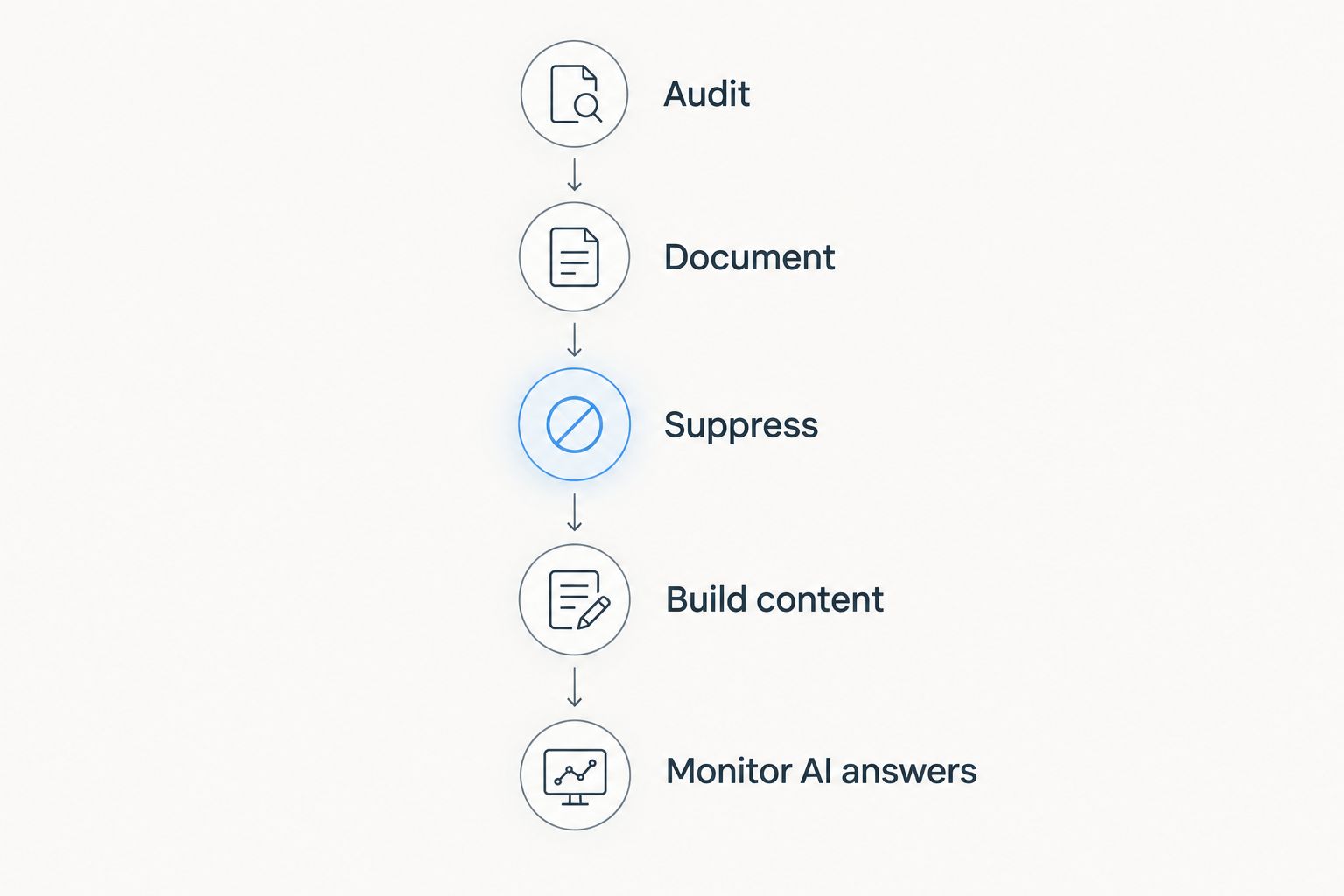
The process runs in stages. The first two can be done without hiring anyone. After that, scale and speed start to matter.
Audit your name across search and social
Start with a clean baseline before touching anything.
- Run branded searches in incognito mode on desktop and mobile
- Check Google's autocomplete and "People also ask" for negative suggestions
- Review the Images and News tabs separately from standard results
- Set up alerts for the person's full name and known aliases
- Screenshot the current first page as a dated baseline
Document every negative asset
Build a working list before deciding what to fight and what to outrank.
- Log each negative URL with its exact ranking position
- Note the format: news article, blog post, forum thread, or review site
- Flag anything defamatory, factually false, or tied to a sealed or dismissed case
- Track which pages still have active comment threads generating fresh engagement
- Identify the original source versus syndicated copies running the same story
Bring in a team that runs suppression at scale
Once the list is longer than a handful of URLs, manual fixes stop keeping pace with how fast a story spreads. This is where a dedicated crisis SEO agency like Social Czars takes over.
- File legal takedown requests for defamatory or copyright-violating content
- Coordinate publication of high-authority pages built to outrank the negative story
- Secure digital PR placements on outlets Google already trusts for that name
- Run ongoing monitoring so new coverage gets caught within days, not months
Build a wall of owned and earned content
Suppression only holds if there's something authoritative to fill the space.
- Publish and keep a verified biography or press page current with accurate information
- Secure interviews and profile pieces on reputable entertainment or business press
- Maintain a Wikipedia entry where notability guidelines allow one
- Keep posting cadence consistent so profile pages stay fresh in Google's index
Manage the social layer separately from search
Social sentiment moves faster than Google's index and needs its own playbook.
- Monitor sentiment on X, Instagram, TikTok, and relevant Reddit threads
- Respond only when silence is being read as an admission — most moments fade faster with no reaction
- Lock down or archive old posts that resurface out of context
- Coordinate any public statement with legal counsel before it goes out
Monitor AI answers, not just Google's ten blue links
By 2026, a meaningful share of reputation checks happen inside a chat window instead of a search bar.
- Query ChatGPT, Gemini, Perplexity, and Claude directly with the person's name
- Check whether the AI summary states the negative story as fact or as an allegation
- Correct outdated bios through the sources those models actually cite
- Re-check monthly, since AI answers shift as underlying pages get re-crawled
Set a maintenance schedule post-crisis
A clean result today doesn't stay clean without upkeep.
- Re-audit search results quarterly, not only after a crisis
- Refresh suppression content before old stories start climbing back
- Keep takedown documentation on file for repeat offenders
- Revisit the plan whenever a new project, lawsuit, or public appearance is announced
Reputation management options for celebrities in 2026
| Option | Best for | Key limitation |
|---|---|---|
| DIY monitoring and manual takedown requests | A single, recent negative story with time to manage it personally | No legal leverage; slow to move competing content up |
| General digital marketing agency | Ongoing brand awareness and social growth | Rarely has crisis SEO or legal takedown experience |
| Reputation monitoring software (alerts, sentiment trackers) | Ongoing visibility into new mentions | Flags problems but doesn't fix rankings or push content down |
| Dedicated crisis SEO agency like Social Czars | Executives and public figures with an active, multi-page negative footprint | Reshaping page-one results takes sustained weeks to months, not an instant fix |
Get a confidential reputation review
Talk through your current search footprint before it gets worse.
Common mistakes celebrities make with reputation management
- Waiting until the story is trending to act, instead of starting the audit the day it breaks — every extra week lets the story earn more links and authority.
- Mass-deleting old social posts right after a scandal, which reads as an admission and generates fresh coverage of the deletion itself.
- Relying only on a publicist for press relationships while ignoring the actual Google results that fans, casting directors, and sponsors see first.
- Fighting with legal threats alone and skipping the SEO side, so even after content comes down, cached and syndicated copies keep ranking.
- Treating one clean audit as permanent and not revisiting the plan when a new lawsuit, breakup, or business deal changes the search landscape.
FAQ
What is celebrity reputation management?
Celebrity reputation management is the ongoing process of monitoring, shaping, and defending a public figure's search results, news coverage, and social sentiment. It combines crisis SEO, content suppression, and legal takedowns rather than relying on press relations alone.
How much does celebrity reputation management cost?
Cost depends entirely on the size of the negative footprint, the number of URLs involved, and whether legal takedowns are required. Scope varies enough between cases that a fixed number doesn't apply until an audit is done.
How long does it take to suppress negative search results?
Timelines depend on how much authority the negative content already has and how fast new authoritative content can be built and earn links. Plans typically run for months rather than days, especially for stories that have already been widely syndicated.
Can negative news stories be removed from Google entirely?
Only in narrow cases involving defamation, copyright violation, or content that violates a platform's own policies. In most cases the more reliable path is building content strong enough to outrank the story rather than trying to erase it.
Does reputation management affect what AI chatbots say?
Yes. Tools like ChatGPT, Gemini, and Perplexity generate answers based largely on indexed web pages, so the same suppression and content-building work that clears Google's first page also changes what those tools repeat about a person.
What's the difference between reputation management and SEO?
Standard SEO grows visibility for a business or brand. Reputation management applies SEO tactics specifically to control what appears for a person's or company's name, often under time pressure after a negative event.
Should a celebrity respond publicly to a negative story?
Not always. A public response can extend a story's news cycle and generate more coverage than silence would; the decision should be made case by case, usually alongside legal counsel.
Is a Wikipedia page part of celebrity reputation management?
It can be, where notability guidelines allow one, because Wikipedia pages tend to rank high and provide a neutral, factual anchor point on the first page of results.
One last thing
The next battleground isn't Google's ten blue links — it's what an AI assistant says when someone types a name into a chat box instead of a search bar. Those answers pull from the same indexed pages that traditional SEO targets, which means the suppression work built for 2026's Google results is already doing double duty on AI-generated summaries. Ignore that layer and a cleared-up Google page one can still sit next to an outdated AI answer nobody thought to check.